5984ebc9-807f-4f20-a1e5-6f1e3dd73efb

twitter
facebook
instagram
linkedin
youtube

© Graphic design project Diaìta Media

5984ebc9-807f-4f20-a1e5-6f1e3dd73efb

Cookies policyTerms and conditionsPrivacy policy

5984ebc9-807f-4f20-a1e5-6f1e3dd73efb

Blog

Abdominal Bloating: Causes, Solutions, and the Diet for a Light Stomach

2025-03-21 09:23

Array() no author 93075

Nutrition, pancia, gonfiore,
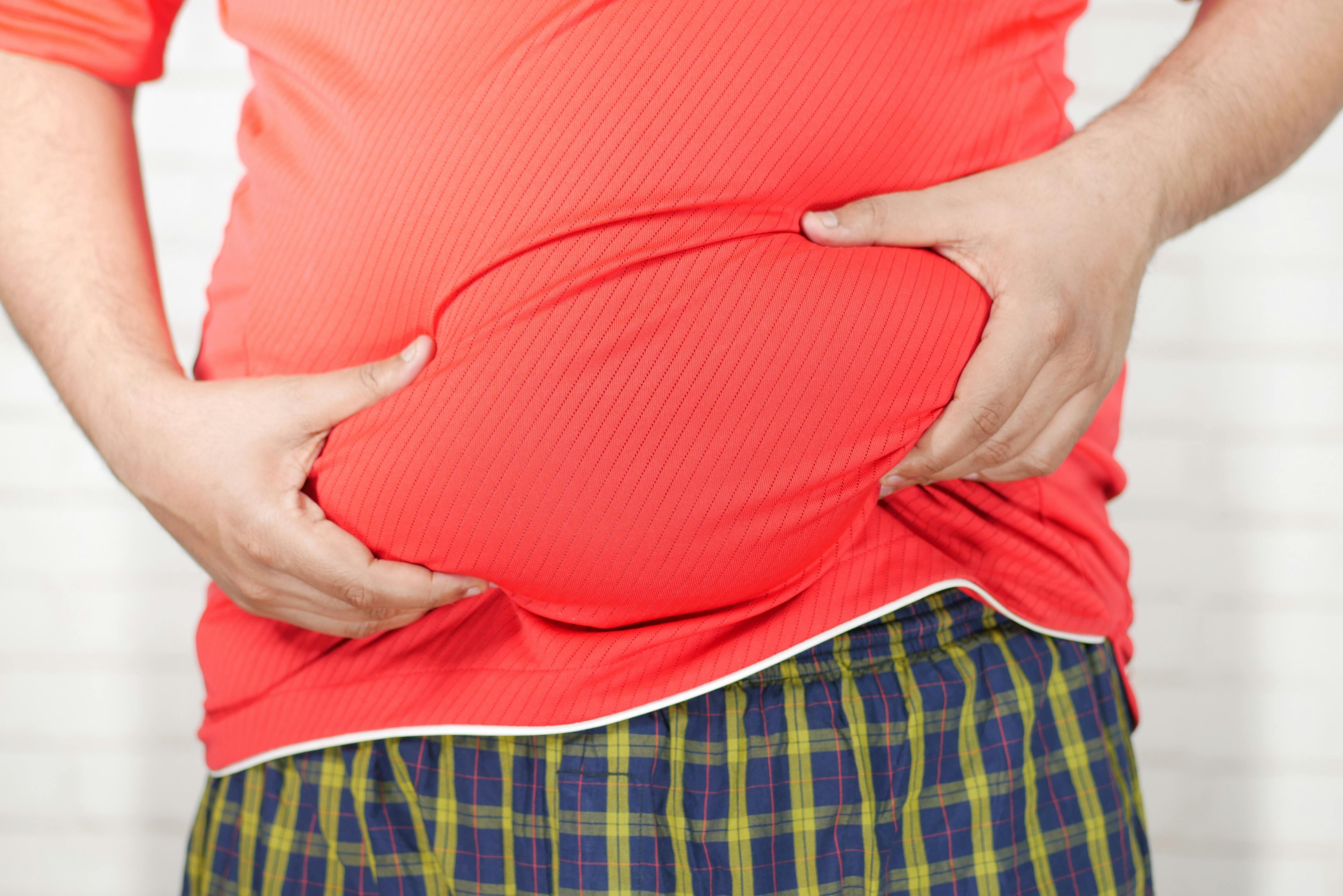
Abdominal Bloating: Causes, Solutions, and the Diet for a Light Stomach

Do you often feel bloated, with a tight stomach and uncomfortable in your clothes? Abdominal bloating is a very common problem.

Do you often feel bloated, with a tight belly and uncomfortable in your clothes? Abdominal bloating is a very common problem, but often underestimated. It's not just an aesthetic nuisance, but it can be a sign that your gut is struggling.

If you want to discover the causes of bloating, the most common mistakes, and the foods that can help you deflate, keep reading: you'll find everything you need to say goodbye to this unpleasant feeling!

The Causes of Abdominal Bloating

Abdominal bloating can have many causes, including:

  • Poor diet – Some foods ferment in the gut, creating gas and bloating.
  • Rushed chewing – Eating quickly and without chewing well can cause excessive air swallowing.
  • Food intolerances – Lactose, gluten, and other compounds can be difficult to digest for some people.
  • Intestinal dysbiosis – An altered balance of gut flora can promote abnormal fermentation.
  • Stress and anxiety – Our gut is connected to the brain: when we are under pressure, digestion suffers too!

The Crucial Role of the Nutrition Science Specialist

If abdominal bloating is a recurring problem, consulting a Nutrition Science Specialist can make a difference. This professional doesn't just suggest a list of foods to avoid, but:

  • Analyzes the specific causes of bloating through an in-depth assessment of your eating habits and metabolism.
  • Identifies possible food intolerances or imbalances in gut flora.
  • Builds a personalized meal plan to rebalance the gut without unnecessary sacrifices.
  • Guides you in improving your relationship with food, avoiding falling into false nutritional beliefs.

Relying on an expert means avoiding DIY solutions that can make things worse and instead achieving real and lasting results!

Foods That Promote Bloating

There are some foods that, if consumed in excess or at the wrong time, can worsen bloating. Here are the main ones:

  • Legumes (beans, chickpeas, lentils) – Rich in fiber and fermentable sugars, they can create gas if not prepared properly.
  • Cruciferous vegetables (broccoli, cabbage, cauliflower) – They contain sulfur and fibers that are hard to digest.
  • Carbonated drinks – They directly introduce gas into the gut.
  • Artificial sweeteners – Some, like sorbitol, ferment in the gut causing bloating.
  • Dairy products – If you are lactose intolerant, they can trigger fermentation and bloating.

Foods That Deflate

Fortunately, there are also foods that can help you reduce bloating and promote lighter digestion:

  • Ginger – Helps digestion and reduces intestinal inflammation.
  • Fennel – Fights gas formation and relaxes the gut.
  • Mint – Has a relaxing effect on intestinal muscles.
  • Pineapple and papaya – Contain digestive enzymes that aid food assimilation.
  • Rice and potatoes – These are well-tolerated carbohydrates and do not ferment easily in the gut.

The Best Habits to Say Goodbye to Bloating

In addition to choosing the right foods, follow these strategies to avoid bloating:

  1. Eat slowly and chew well – Digestion starts in the mouth!
  2. Avoid drinking too much water during meals – It can dilute gastric juices and slow down digestion.
  3. Exercise – A simple walk after meals helps prevent bloating.
  4. Avoid stress – Techniques like deep breathing and yoga can help keep your gut relaxed.
  5. Try probiotics – They promote a healthy microbiota and reduce the risk of intestinal fermentation.

Conclusion

Abdominal bloating is not inevitable! With the right precautions and the help of a Nutrition Science Specialist, you can improve your digestion, reduce intestinal gas, and finally feel light.

5984ebc9-807f-4f20-a1e5-6f1e3dd73efb

twitter
facebook
instagram
linkedin
youtube

© Graphic design project Diaìta Media

Cookies policyTerms and conditionsPrivacy policy